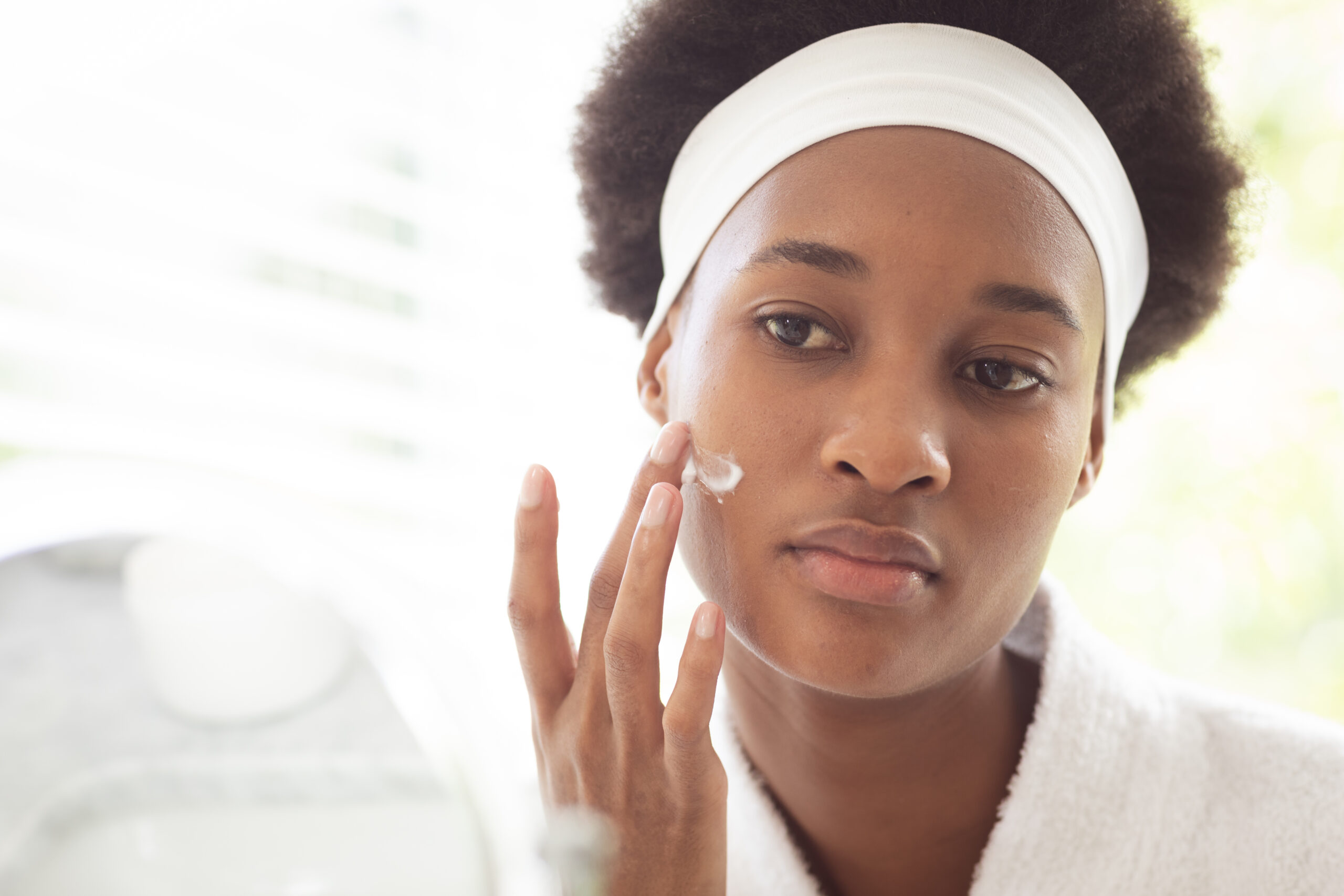

If you’ve ever asked What is the best ingredient for fading dark spots? you’re likely looking for a clear answer on which actives really work to improve uneven pigmentation. Dark spots can develop from sun exposure, post‑inflammatory hyperpigmentation (such as after acne), hormonal changes, or just natural aging. They often stubbornly linger even when the rest of your skin looks great, so understanding how to fade them effectively makes a huge difference in overall complexion clarity.
The most effective ingredients for fading dark spots are those that interrupt the pigment‑production process, accelerate cell turnover, and protect skin from environmental triggers that worsen discoloration. Some ingredients do one of these really well, while others combine multiple benefits. Picking the right active — or blend of actives — is key.
How Dark Spots Form
Before talking about the best ingredients, it’s helpful to know why dark spots form. Melanin is the pigment that gives skin its color, and when the production of melanin becomes uneven, dark patches can appear. Sun exposure is one of the most common triggers, as UV radiation stimulates melanin production and deepens existing pigmentation. Inflammation from acne, injury, or irritation can also signal pigment‑producing cells to overcompensate, leaving behind darker marks after healing.
Hormonal fluctuations — such as those during pregnancy or with certain contraceptives — can also increase melanin activity, particularly in cases of melasma. Whatever the cause, dark spots result from excess pigment settling in specific areas instead of being distributed evenly across the skin. Fading them requires ingredients that address both existing pigment and the processes that create it.
Vitamin C: A Cornerstone for Pigment Fading
One of the most effective categories of ingredients for fading dark spots is antioxidants, especially vitamin C. Vitamin C directly inhibits an enzyme called tyrosinase, which plays a central role in melanin production. By reducing the activity of tyrosinase, vitamin C helps prevent existing pigment from getting darker and supports gradual lightening over time. Vitamin C also protects skin from free radicals produced by UV exposure and environmental stressors, which can contribute to pigmentation.
Regular use of a vitamin C serum can help fade dark spots while keeping skin looking brighter and more even in tone. Because vitamin C is an antioxidant, it also supports overall skin health and works synergistically with sunscreen (which is essential for preventing further darkening of spots).
Pigment‑Modulating Ingredients
Another effective class of actives for dark spots includes ingredients that directly interfere with melanin transfer or pigment synthesis:
-
Niacinamide: This form of vitamin B3 helps reduce the transfer of melanin into skin cells, which can help soften existing dark spots and reduce the chance of new ones forming.
-
Tranexamic acid: Known for its ability to target stubborn pigmentation, tranexamic acid helps calm overactive pigment cells and is often used in serums designed specifically for persistent dark spots.
These ingredients are especially useful for stubborn pigmentation — including melasma‑associated dark spots — because they go beyond simple exfoliation and actually influence the biochemical pathways that control pigment.
Exfoliating Acids and Cell Turnover
Exfoliating acids like glycolic acid, lactic acid, and mandelic acid help fade dark spots by accelerating skin cell turnover. By gently loosening the bonds between older, pigmented surface cells, these acids encourage newer, more evenly toned cells to emerge sooner. This mechanism doesn’t directly block pigment production, but it effectively speeds up the fade‑out of pigment already present in the top skin layers.
These acids also improve texture and luminosity, which makes dark spots less noticeable by creating a smoother and more reflective surface. Because they increase cell turnover, they’re often paired with pigment‑inhibiting ingredients like vitamin C or niacinamide for a more comprehensive fading strategy.
Retinoids and Skin Renewal
Retinoids, derivatives of vitamin A, are powerful tools for accelerating cell renewal and supporting deeper skin structure. They help break up pigment clusters by promoting more rapid epidermal turnover and encouraging healthier, more uniform cell distribution. Retinoids also support collagen production, which improves texture and firmness.
Retinoids can cause irritation for some skin types, so a formulation designed for targeted use on dark spots — rather than full‑face application of a high‑strength retinoid — can be a more comfortable, gradual way to incorporate this benefit.
The Best Ingredient Depends on Your Priority
There isn’t a single “magic bullet” ingredient for fading all dark spots, but some actives are more effective than others depending on the type of pigmentation you’re treating. For example:
-
For surface‑level post‑inflammatory dark spots, exfoliating acids and vitamin C work very well together.
-
For deeper or stubborn melasma‑type pigmentation, ingredients like tranexamic acid and niacinamide can help regulate pigment production and prevent recurrence.
-
For overall brightening and protection, a strong antioxidant formula — especially one with vitamin C — supports long‑term clarity.
A Recommended Medical‑Grade Option
One well‑formulated product that brings together several of these effective ingredients is the Alastin Skincare® A‑LUMINATE Brightening Serum™. This serum is designed to reduce the appearance of hyperpigmentation and support a brighter, more even complexion. It includes tranexamic acid to address stubborn pigment, niacinamide to support barrier health and pigment regulation, and a blend of botanically derived extracts to improve overall tone and clarity.
Alastin Skincare® products are formulated with medical‑grade actives intended to deliver visible improvements while being gentle enough for daily use. With consistent application and proper sun protection, serums like Alastin’s A‑LUMINATE help fade existing dark spots and maintain a more uniform complexion.
Best Practices for Fading Dark Spots
No single ingredient works overnight, but combining targeted actives with good skincare habits accelerates results:
-
Apply broad‑spectrum SPF every morning to prevent dark spots from worsening.
-
Use targeted serums consistently — morning and/or night as directed.
-
Introduce active ingredients slowly to minimize irritation.
-
Pair brightening ingredients with gentle exfoliation and hydration to support skin renewal.
Final Thoughts
So when asking What is the best ingredient for fading dark spots? it’s clear that no one ingredient works in isolation. The most effective approach involves ingredients that inhibit pigment production, accelerate cell turnover, and protect skin from future triggers. For a well‑rounded, medical‑grade brightening serum that targets dark spots with a blend of powerful actives, the Alastin Skincare® A‑LUMINATE Brightening Serum™ is a standout. You can explore this product and other targeted solutions through TotalSkin here: https://mytotalskin.com/products/a‑luminate‑brightening‑serum™
With thoughtful product selection and consistent care, fading dark spots and achieving a more even tone becomes a realistic skincare goal.