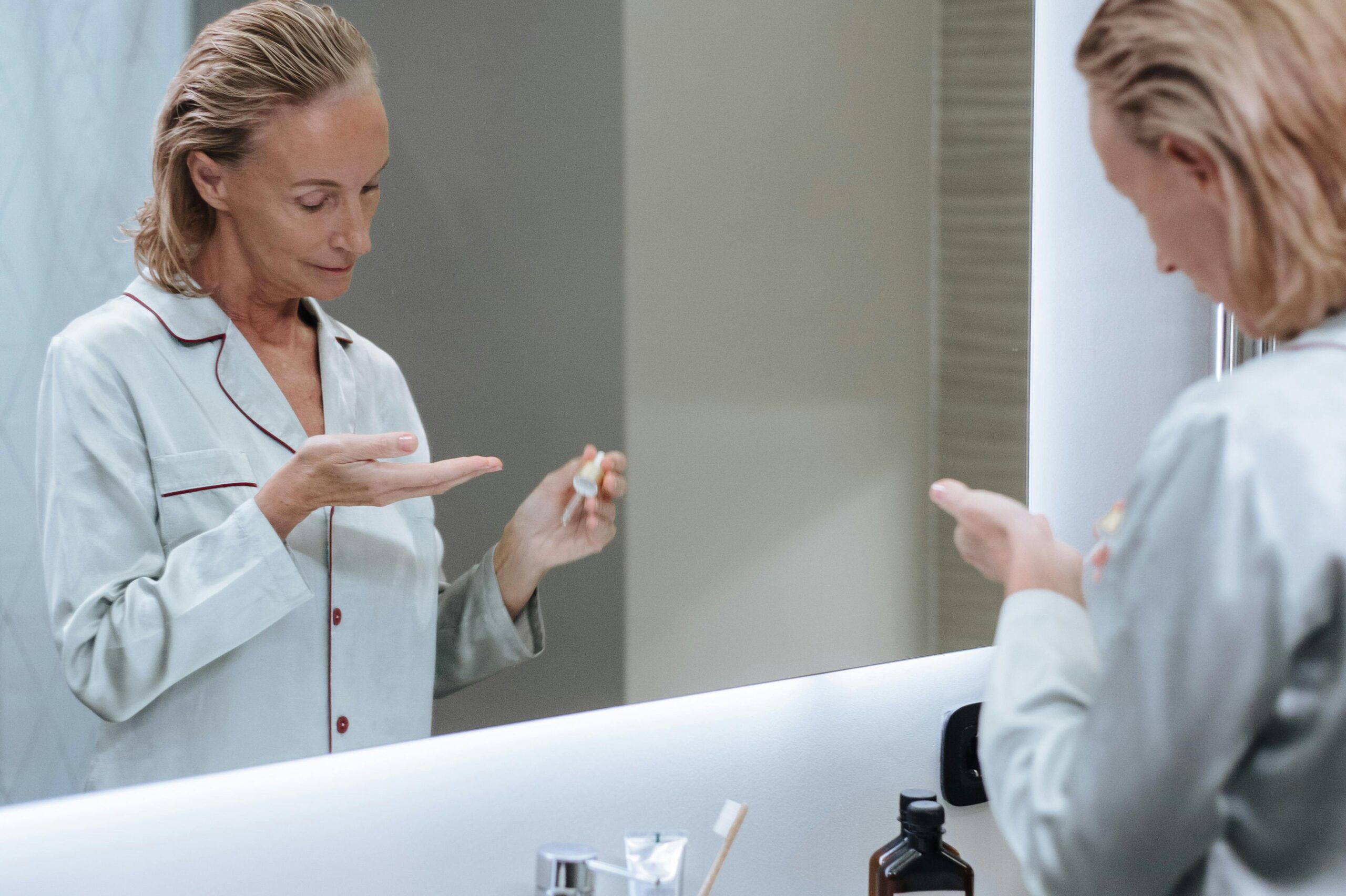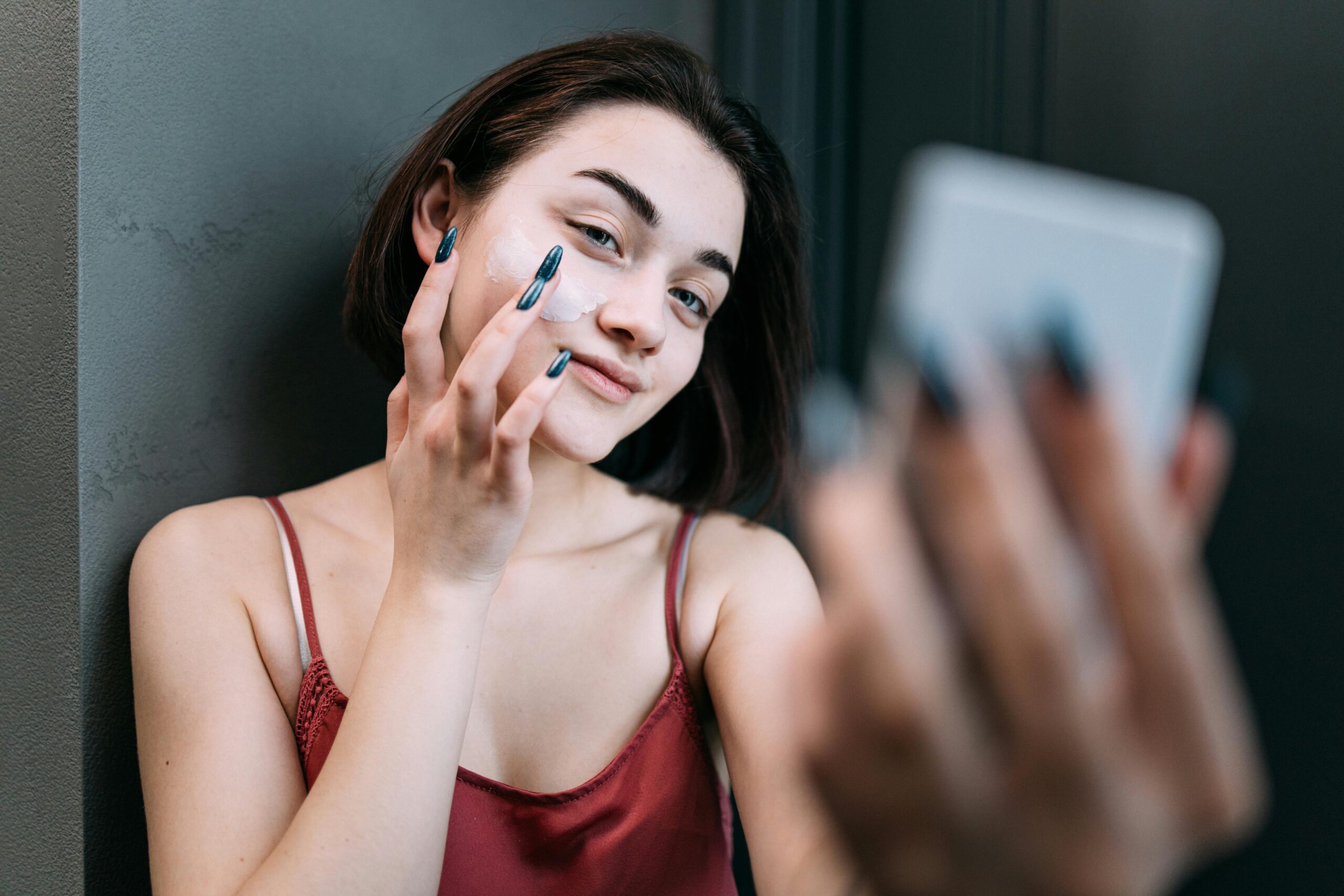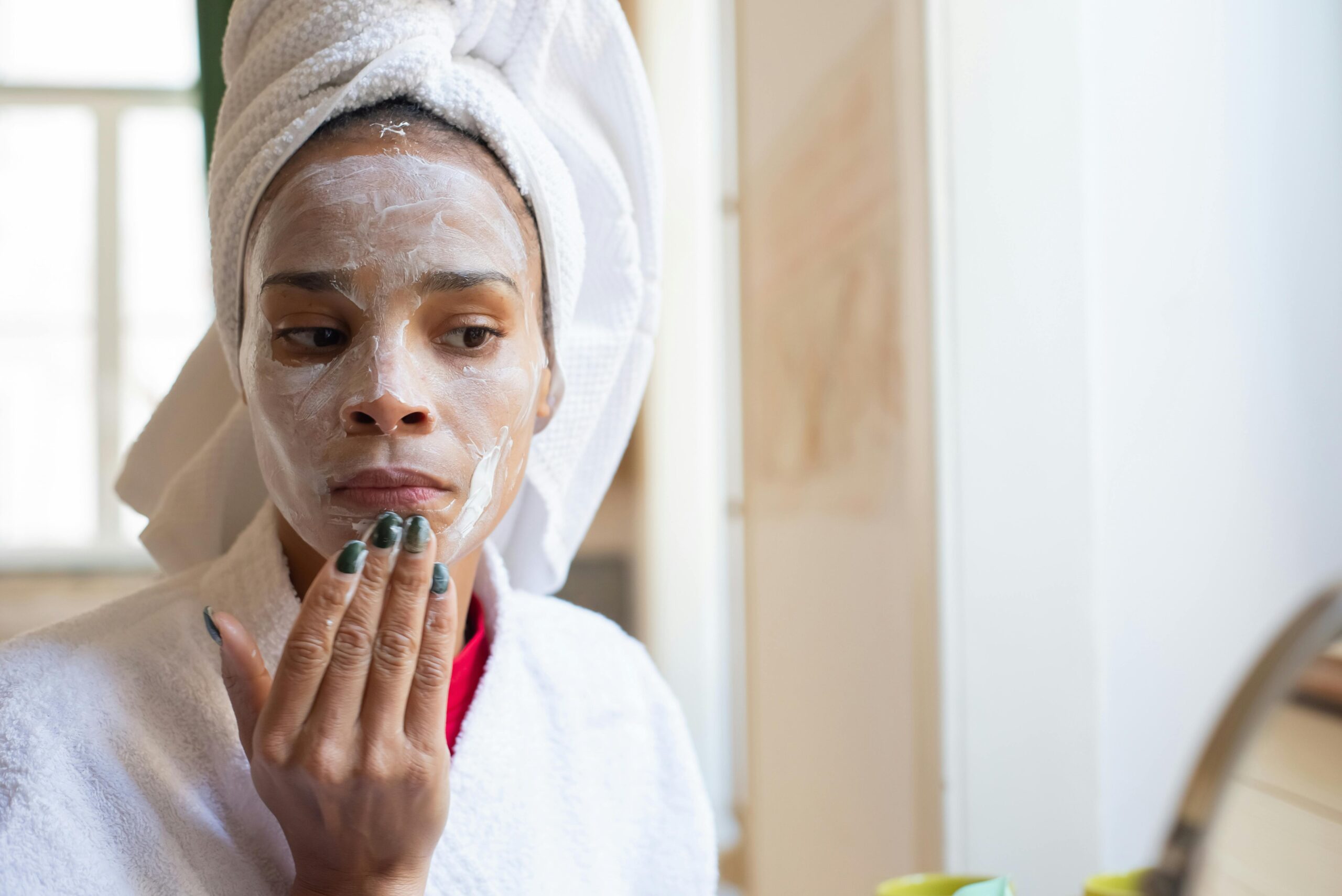
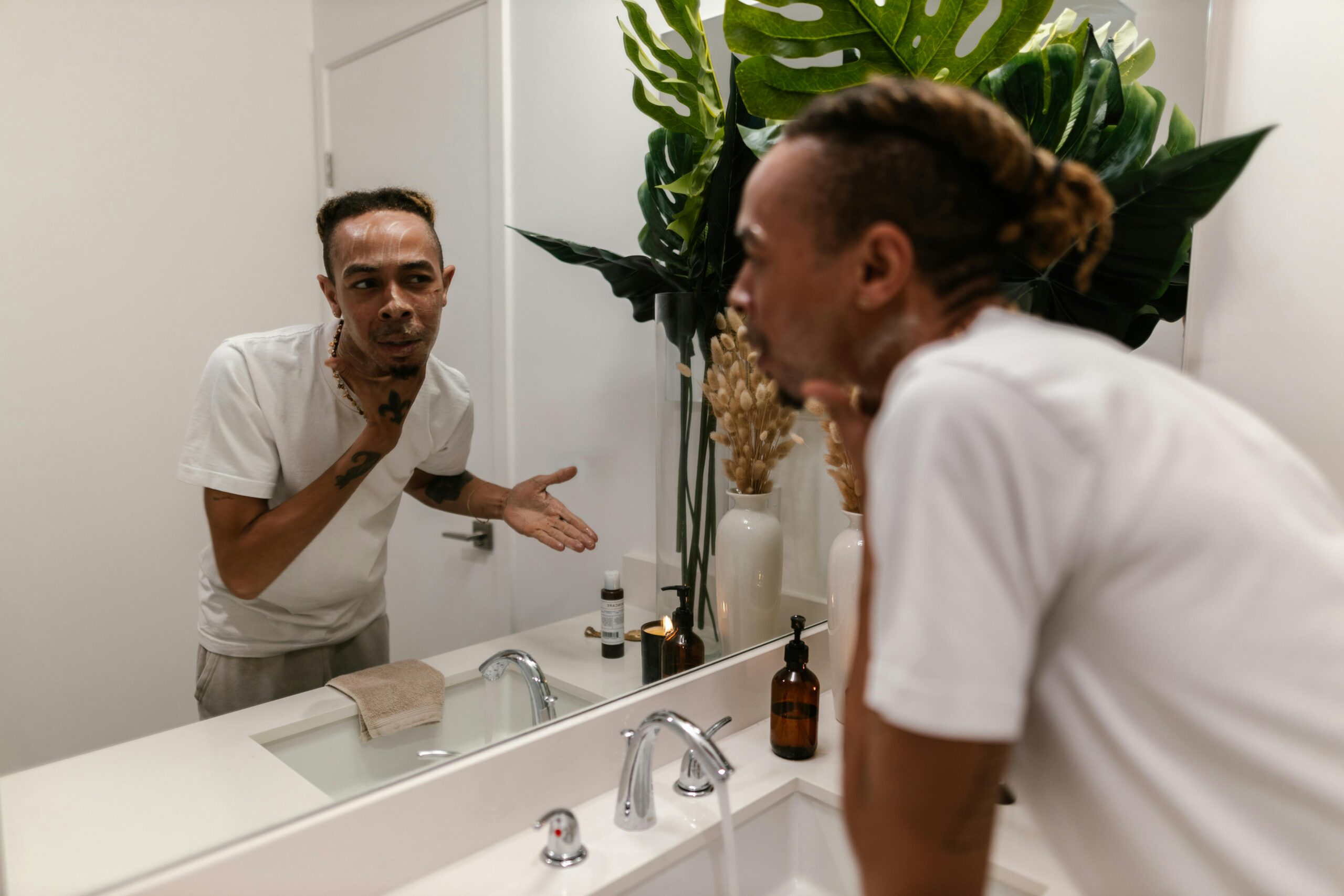
Slugging skincare has gained major attention over the past few years, especially on social media. The concept sounds unusual at first, but the goal is simple: seal in moisture overnight to deeply hydrate and strengthen the skin barrier. Many people now ask, What is a slugging skincare routine and who should try it? Understanding how slugging skincare works makes it easier to decide whether it fits your skin type and concerns.
Slugging skincare involves applying a thick occlusive layer, typically petrolatum-based, as the final step of a nighttime routine. This heavy layer locks in the products applied underneath and reduces water loss while you sleep. The skin appears dewy and glossy, which is how the trend got its name.
While slugging skincare can be effective for some, it is not necessary for everyone. There are also professional alternatives that deliver similar barrier-repair benefits without the heaviness.
How slugging skincare works
The foundation of slugging skincare is occlusion. Occlusive ingredients create a physical barrier over the skin that prevents transepidermal water loss. When water cannot escape easily, the skin retains more hydration overnight.
Slugging skincare is typically performed as the last step in an evening routine. After cleansing, applying serums, and moisturizing, a layer of occlusive balm is applied on top. The idea is to trap everything beneath it.
For individuals with extremely dry or compromised skin barriers, slugging skincare can temporarily improve flakiness and tightness. It can also be helpful during cold weather when moisture loss increases.
However, slugging skincare is not always ideal for acne-prone or very oily skin types. Heavy occlusion can sometimes trap oil and debris, leading to congestion.
Who should try slugging skincare
Slugging skincare is most beneficial for:
Very dry skin
Compromised skin barriers
Over-exfoliated skin
Skin recovering from harsh treatments
Those using strong actives such as retinoids may find slugging skincare helpful for minimizing dryness and irritation. By sealing in hydrating layers underneath, slugging skincare supports comfort during periods of adjustment.
On the other hand, individuals with acne-prone skin should approach slugging skincare cautiously. While petrolatum itself is non-comedogenic, heavy occlusion can still feel suffocating for certain skin types.
Before starting slugging skincare, it is important to evaluate whether the barrier truly needs intensive sealing or simply better hydration and lipid support.
Alternatives to slugging skincare for barrier repair
Slugging skincare is not the only way to strengthen the skin barrier. In fact, many medical-grade moisturizers are designed to achieve similar hydration retention without heavy occlusion.
Barrier-repair creams containing ceramides, cholesterol, fatty acids, and peptides help rebuild the lipid layer in a more balanced way. These formulas nourish the skin while still allowing breathability.
Alastin Skincare offers restorative products that support skin renewal and barrier strength. Their Ultra Nourishing Moisturizer is formulated to provide deep hydration while enhancing resilience. Unlike traditional slugging skincare, this type of treatment improves moisture retention through lipid replenishment rather than simply sealing the surface.
For those seeking glow and plumpness without the greasy texture associated with slugging skincare, professional barrier-support creams are often a more refined option.
How to modify slugging skincare for different skin types
Slugging skincare can be adjusted rather than followed strictly. Instead of applying a heavy petrolatum layer across the entire face, targeted occlusion can be used only on dry areas such as cheeks or around the mouth.
Layering a rich restorative moisturizer can provide many of the same benefits as slugging skincare while minimizing congestion risk. Alastin Skincare products are frequently used in post-procedure and barrier-repair routines because of their ability to support skin recovery and hydration balance.
The key difference between slugging skincare and professional barrier repair lies in formulation sophistication. Slugging skincare relies on occlusion alone, while medical-grade moisturizers incorporate peptides and lipids that actively strengthen the skin over time.
When slugging skincare may not be necessary
If skin is already well-balanced and hydrated, slugging skincare may offer little additional benefit. Over-occluding can sometimes cause milia or clogged pores in certain individuals.
Rather than jumping into slugging skincare simply because it is trending, assess actual skin needs. If tightness, peeling, or irritation is persistent, barrier-focused treatment is appropriate. If the skin feels comfortable and balanced, lighter hydration may be sufficient.
Modern barrier creams often outperform traditional slugging skincare methods because they address the root issue rather than temporarily sealing moisture.
Final thoughts on slugging skincare
So, what is a slugging skincare routine and who should try it? Slugging skincare is an occlusive method designed to lock in hydration overnight. It may benefit those with very dry or compromised skin barriers, but it is not universally necessary.
For many individuals, especially those concerned about congestion, a restorative barrier cream offers similar benefits with a more breathable finish. Professional formulations deliver hydration, lipid support, and structural strengthening in one step.
Alastin Skincare provides barrier-support products that can achieve many of the hydration goals associated with slugging skincare, while also promoting long-term skin resilience. Alastin Skincare moisturizers are available through TotalSkin at https://mytotalskin.com/collections/alastin-skincare, offering access to advanced barrier-repair solutions designed to support healthy, balanced skin without relying solely on heavy occlusion.