
If you’re wondering how to introduce retinol without ending up red, flaky, or uncomfortable, you’re asking the right question. In retail skincare, one of the most common conversations I have is about how to introduce retinol safely and effectively. Clients know retinol works—but they’re understandably nervous about irritation.
The good news? You absolutely can introduce retinol in a way that strengthens your skin instead of stressing it. The key is patience, proper product selection, and barrier support. When you introduce retinol strategically, you get the glow, smoother texture, and fine line improvement—without the peeling horror stories.
Let’s walk through exactly how to introduce retinol the right way.
Why It’s Important to Introduce Retinol Slowly
Before you introduce retinol, it helps to understand what it’s doing. Retinol is a vitamin A derivative that accelerates cellular turnover. That means it helps fade pigmentation, smooth texture, reduce acne, and soften lines. However, because it speeds up cell turnover, skin needs time to adapt.
When people rush to introduce retinol nightly at a high strength, irritation is almost guaranteed. Redness, peeling, dryness, and sensitivity are usually signs you tried to introduce retinol too aggressively.
When you introduce retinol gradually, your skin builds tolerance. This adjustment period—sometimes called retinization—is normal. The goal is controlled adaptation, not shock therapy.
How to Introduce Retinol: Step-by-Step Plan
If a client asks me how to introduce retinol properly, I give them a structured plan. Here’s the professional approach I use in-store.
1. Choose the Right Strength Before You Introduce Retinol
The first rule when you introduce retinol is: start low.
Medical-grade brands formulate retinol in stabilized systems that are far more predictable than over-the-counter drugstore options. One excellent beginner option is SkinMedica Retinol Complex 0.25, available at TotalSkin. This lower concentration is specifically designed to help you introduce retinol without overwhelming your skin.
SkinMedica formulates their retinol with calming ingredients to help minimize irritation. I’ve guided many first-time users to introduce retinol successfully using the 0.25 strength before progressing to 0.5 or 1.0.
Starting low is the most important factor when you introduce retinol.
2. Control Frequency When You Introduce Retinol
The second rule when you introduce retinol is to control how often you apply it.
Week 1–2: Use it twice per week
Week 3–4: Increase to three times per week
Week 5+: Move to every other night if tolerated
Very few people need to introduce retinol nightly from day one. Skin adapts better when exposure is spaced out.
If you notice persistent stinging or excessive peeling, pause for a few days and restart slowly. When you introduce retinol, your skin should feel slightly dry at most—not inflamed.
3. Use the Buffering Method to Introduce Retinol
If you have sensitive or dry skin, buffering can make a huge difference when you introduce retinol.
Here’s the layering strategy:
-
Cleanse
-
Apply a lightweight moisturizer
-
Apply a pea-sized amount of retinol
-
Seal with another layer of moisturizer
This “sandwich method” slows penetration slightly, helping you introduce retinol with far less irritation. It’s especially helpful during the first month.
I recommend pairing your retinol with barrier-supportive moisturizers containing ceramides or peptides. A healthy barrier makes it much easier to introduce retinol successfully.
4. Use Only a Pea-Sized Amount
One of the biggest mistakes I see when clients introduce retinol is over-application.
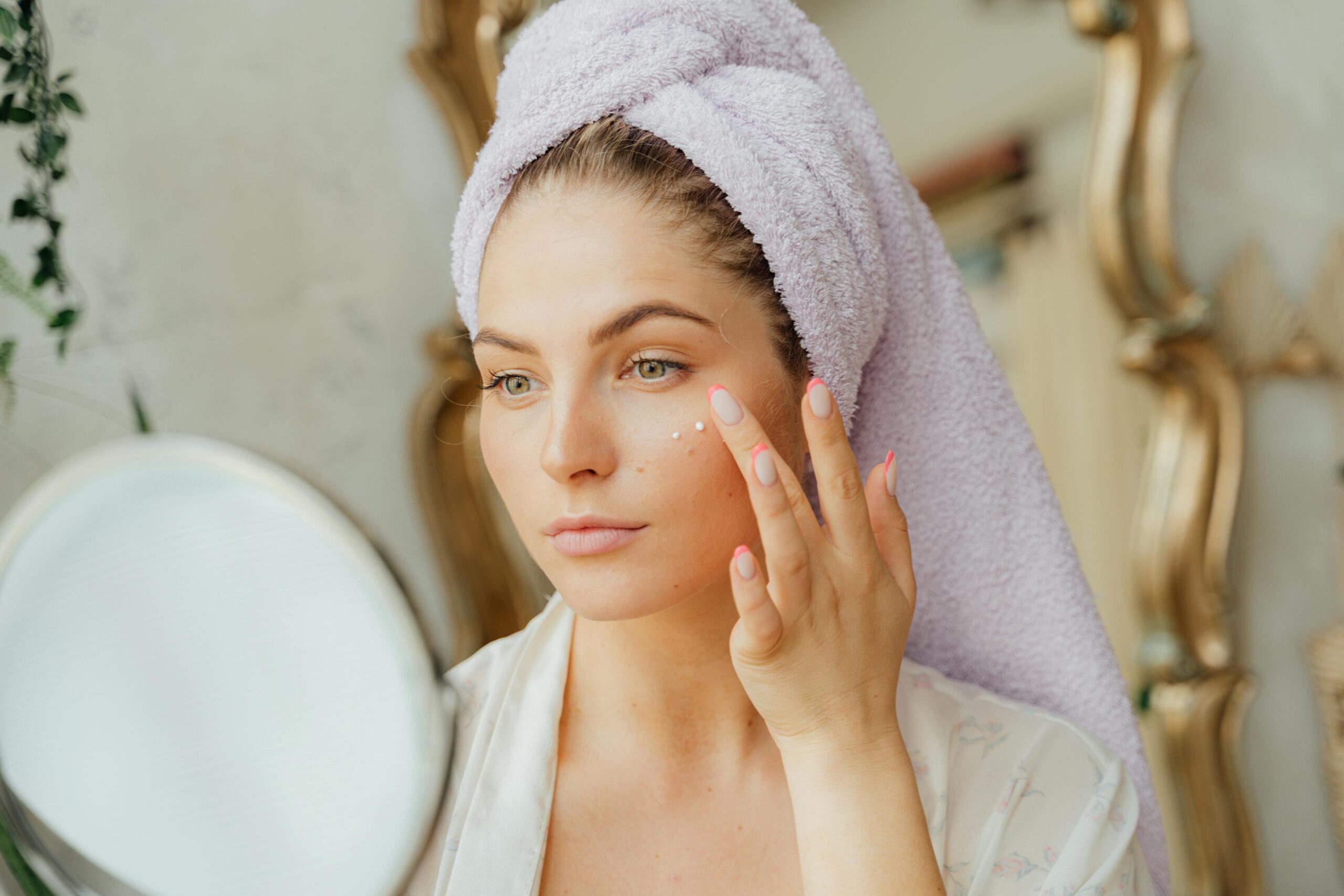
A pea-sized amount is enough for the entire face. More product does not mean faster results. In fact, using too much makes it harder to introduce retinol comfortably.
Dot it across the forehead, cheeks, and chin, then gently spread. Avoid the corners of the nose, eyes, and mouth during the first few weeks.
When you introduce retinol, precision matters more than quantity.
What to Avoid When You Introduce Retinol
If your goal is to introduce retinol smoothly, you need to simplify the rest of your routine.
Avoid combining retinol (at least initially) with:
-
AHAs or BHAs
-
Physical scrubs
-
Benzoyl peroxide
-
Strong exfoliating treatments
Too many active ingredients at once makes it much harder to introduce retinol successfully. Keep the routine simple: cleanser, retinol, moisturizer, sunscreen.
Supporting Your Skin Barrier While You Introduce Retinol
Hydration is non-negotiable when you introduce retinol.
Your skin barrier is your protection system. If it becomes compromised, irritation increases dramatically. Look for ingredients like:
-
Ceramides
-
Hyaluronic acid
-
Niacinamide
-
Peptides
Clients who moisturize properly find it much easier to introduce retinol without disruption.
And sunscreen is essential. When you introduce retinol, your skin becomes more sun-sensitive. Daily SPF protects your progress and prevents new pigmentation from forming.
How Long Does It Take to Introduce Retinol Successfully?
When clients ask how long it takes to introduce retinol and see results, I usually say:
-
4 weeks: improved texture
-
8 weeks: brighter tone
-
12 weeks: visible fine line softening
The key is consistency. If you introduce retinol gradually and stick with it, results build over time.
Mild dryness is normal in the beginning. Persistent burning or intense peeling is not. Adjust frequency instead of quitting completely.
Professional Recommendation
If you’re ready to introduce retinol, I strongly recommend starting with a professionally formulated option like SkinMedica Retinol Complex 0.25 from TotalSkin. It’s one of the most reliable entry-level retinols I recommend in-store because it allows you to introduce retinol methodically and progress over time.
You can explore the full SkinMedica collection here:
https://mytotalskin.com/collections/skinmedica
When you introduce retinol correctly—low strength, low frequency, barrier support—you set yourself up for long-term success. Retinol doesn’t have to be intimidating. With the right approach and medical-grade guidance, you can introduce retinol confidently and enjoy the results your skin deserves.