
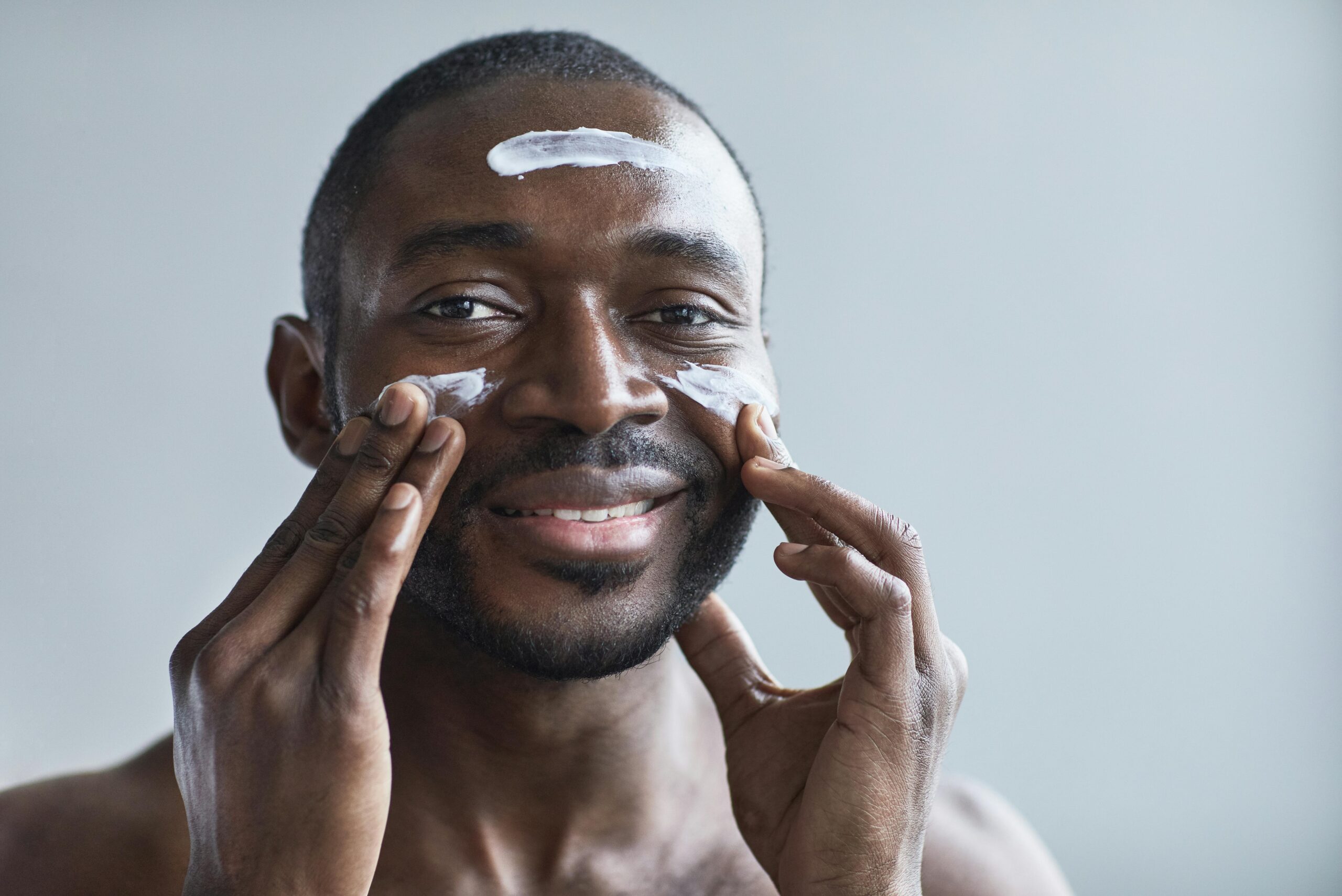
Yes, in most cases, you can use an HSA card to buy sunscreen. Sunscreen is widely recognized as an eligible medical expense when it meets certain criteria, which is why many consumers use healthcare funds to purchase HSA sunscreen products. The key factor is that sunscreen serves a medical purpose by helping prevent skin cancer and other forms of UV-related skin damage.
The question “Can you use an HSA card to buy sunscreen?” is becoming more common as awareness of preventive skincare continues to grow. Dermatologists consistently emphasize that daily sun protection is one of the most important habits for long-term skin health. Because of that medical importance, HSA sunscreen purchases are typically allowed when the sunscreen meets the appropriate standards.
Understanding how HSA sunscreen eligibility works can help consumers confidently use pre-tax healthcare funds for products that support real skin health rather than purely cosmetic goals.
HSA sunscreen eligibility requirements
For a product to qualify as HSA sunscreen, it must generally have a sun protection factor (SPF) of at least 15 and provide broad-spectrum protection against both UVA and UVB rays. These requirements exist because ultraviolet radiation is directly linked to skin cancer and other medically recognized skin conditions.
Broad-spectrum sun protection helps defend against multiple types of UV damage that contribute to serious skin concerns such as skin cancer, actinic keratosis, painful sunburns, hyperpigmentation caused by UV exposure, and premature aging known as photoaging. Because sunscreen helps prevent these conditions, HSA sunscreen falls under the category of preventive healthcare expenses.
Not every product containing SPF qualifies. Sunscreen products that are clearly marketed as sun protection are more likely to meet HSA sunscreen requirements than cosmetic items that include small amounts of SPF primarily for marketing purposes.
Why sunscreen qualifies as HSA sunscreen
The medical community widely recognizes sunscreen as a critical preventive tool for maintaining skin health. Skin cancer remains the most common cancer in the United States, and dermatologists consistently stress that daily sunscreen use significantly lowers risk.
Because of this medical evidence, HSA sunscreen purchases are considered legitimate healthcare spending rather than cosmetic spending. Regular sunscreen use protects the skin from harmful ultraviolet radiation that can lead to conditions such as melanoma, basal cell carcinoma, squamous cell carcinoma, actinic keratosis, and chronic sun damage.
Preventive healthcare is one of the primary goals of HSA and FSA programs. That means HSA sunscreen is one of the most practical ways to use these tax-advantaged accounts for everyday health protection.
Daily sunscreen use is especially important for people who spend time outdoors, live in sunny climates, or regularly participate in outdoor activities. In these situations, HSA sunscreen becomes an essential part of maintaining long-term skin health.
Types of products that qualify as HSA sunscreen
Many sunscreen formulations qualify as HSA sunscreen when they meet the necessary SPF and labeling standards. Eligible products include mineral sunscreens containing zinc oxide or titanium dioxide, chemical sunscreens designed to absorb UV radiation, and dermatologist-recommended sunscreens formulated for sensitive or acne-prone skin.
Consumers can typically purchase HSA sunscreen in a variety of formats such as lotions, creams, sprays, sticks, and lightweight daily moisturizers that clearly emphasize sun protection as their primary purpose.
Medical-grade sunscreen products are particularly strong candidates for HSA sunscreen purchases because they are designed to support skin health rather than cosmetic appearance. These formulas often include ingredients that help calm inflammation, strengthen the skin barrier, and reduce irritation.
One widely respected brand in dermatologist offices is EltaMD. EltaMD sunscreens are known for providing reliable broad-spectrum protection while remaining lightweight and comfortable for daily use. Because of their medical-grade formulation and strong focus on sun protection, EltaMD products are commonly considered excellent examples of HSA sunscreen when used for daily skin protection.
Situations where HSA sunscreen is especially important
Certain skin conditions make sunscreen even more medically necessary. In these cases, HSA sunscreen becomes a critical part of skin treatment and prevention strategies.
People dealing with medical skin concerns such as melasma, rosacea, post-inflammatory hyperpigmentation, or photosensitive conditions must practice strict sun protection. UV exposure can worsen these issues and slow recovery.
Patients who have recently undergone dermatological procedures such as chemical peels, laser treatments, microneedling, or resurfacing treatments are also advised to apply sunscreen daily. Sun protection helps prevent complications, reduces inflammation, and protects vulnerable healing skin.
Individuals using active skincare ingredients such as retinoids, exfoliating acids, and prescription acne medications may also experience increased sun sensitivity. Dermatologists frequently recommend consistent sun protection in these situations, which makes HSA sunscreen purchases even more valuable.
EltaMD sunscreens are often recommended in these circumstances because they are gentle, non-comedogenic, and formulated for compromised skin. These qualities make EltaMD a reliable option for individuals seeking high-quality HSA sunscreen that supports both skin protection and skin recovery.
How to use your HSA card to purchase sunscreen
Using an HSA card for HSA sunscreen purchases is usually straightforward. Many retailers automatically classify sunscreen as an eligible healthcare product when it meets the SPF requirement.
The process typically involves confirming that the sunscreen has SPF 15 or higher, choosing a product clearly labeled for sun protection, saving the purchase receipt for documentation, and checking with the HSA administrator if any questions arise.
Most HSA providers recognize sunscreen as a preventive medical product, which means HSA sunscreen purchases are rarely rejected when the product clearly meets the guidelines.
Shopping through retailers that specialize in dermatologist-recommended skincare can also help ensure that the sunscreen meets HSA sunscreen eligibility standards.
Choosing high-quality HSA sunscreen for daily protection
Quality sunscreen should feel comfortable enough to wear every day. The best HSA sunscreen products absorb well, work with different skin types, and provide reliable broad-spectrum protection without causing irritation.
EltaMD has become a trusted name in dermatology practices because its sunscreens are designed for everyday wear while still delivering medical-grade sun protection. These products are frequently recommended for people with acne-prone skin, sensitive skin, and skin recovering from cosmetic procedures.
Because consistent sun protection is essential for maintaining healthy skin, investing in reliable HSA sunscreen is one of the smartest ways to use HSA healthcare funds.
For those searching for dermatologist-recommended sun protection, TotalSkin offers professional skincare products that meet the standards for effective HSA sunscreen. The EltaMD sunscreen collection available through TotalSkin provides high-quality broad-spectrum protection suitable for daily use and preventive skincare.
Understanding how HSA sunscreen eligibility works makes it easier to take advantage of healthcare savings while protecting the skin from long-term damage. Sunscreen is not simply a cosmetic product. It is a proven medical tool that plays a critical role in preventing skin cancer and maintaining overall skin health.