
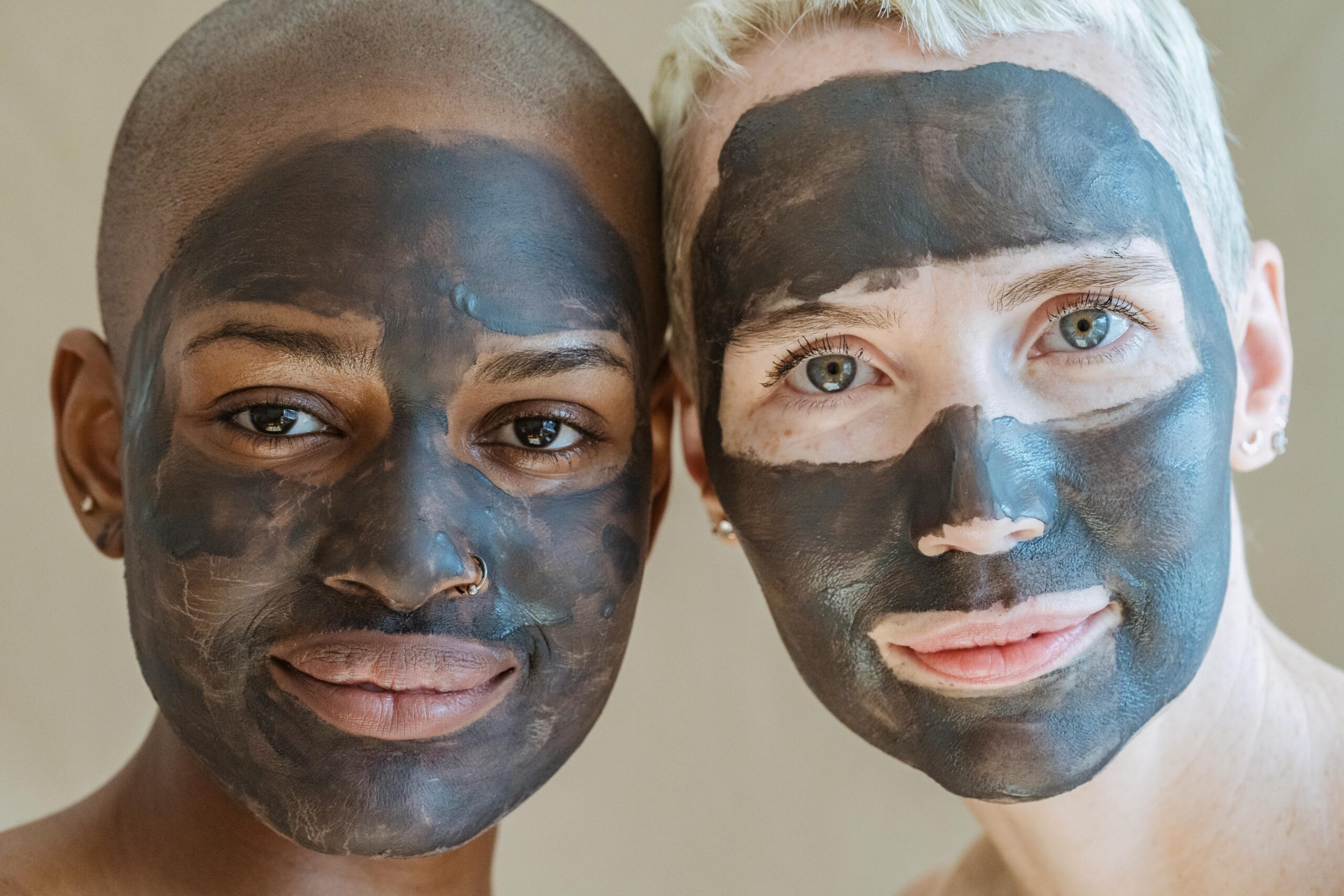
Pilling is one of the most frustrating skincare problems because it makes good products feel like they are failing. Instead of absorbing smoothly, the formula starts to ball up, roll off, or leave little flakes across the skin. That usually is not because the products are bad. Most of the time, pilling happens because of layering order, texture mismatch, overapplication, or not giving products enough time to settle.
How do you layer skincare products correctly to avoid pilling? The answer is simple in theory and easy to get wrong in real life. Skincare should be layered from thinnest to thickest, with a light hand, on properly prepped skin, while giving each step enough time to absorb before the next one goes on. Once that routine gets sloppy, pilling shows up fast.
Pilling and Why It Happens in Skincare
Pilling happens when skincare products sit on top of each other instead of blending into the skin in a stable way. That can happen when too much product is applied, when a silicone-heavy formula is layered over a gel that has not dried down, or when an exfoliating pad, serum, moisturizer, and sunscreen all get stacked too quickly. Friction also matters. Rubbing aggressively is one of the fastest ways to trigger pilling.
Certain formulas are more likely to create pilling than others. Rich moisturizers, sunscreen, primers, and products with a lot of film-formers or silicones can create that rolling effect if the layers underneath are still wet or tacky. That is why skincare pilling often gets worse in the morning, when people rush from serum to moisturizer to SPF in a couple of minutes.
Pilling Layering Order That Actually Works
The best way to prevent pilling is to stick to a clean, predictable order. Start with cleanser. Then move to watery products like toner or essence. After that, apply treatment serums. Next comes moisturizer. Sunscreen should be the last skincare step in the morning.
That order matters because lighter products need direct contact with the skin. Heavier products create a barrier. If a thick cream goes on too early, the thinner formula after it has nowhere to go. It just sits there, and pilling becomes much more likely.
A practical order looks like this:
Cleanser
Toner or hydrating mist
Light serum
Targeted treatment serum
Moisturizer
Sunscreen
At night, the same logic applies, minus sunscreen. Keeping the routine tighter also helps. A routine with three well-matched products usually performs better than a routine with seven random layers that all compete with each other.
Pilling and How Much Product to Use
Too much product is one of the biggest causes of pilling. More is not better here. Skin only absorbs so much at one time. Everything extra stays on the surface and starts to shift around.
A few drops of serum is usually enough for the whole face. Moisturizer should be a thin, even layer, not a mask. Sunscreen is the exception because proper coverage matters, but even then it should be applied by pressing and smoothing, not by endlessly rubbing it in.
Application technique changes everything. Pressing products into the skin is usually better than scrubbing them around. Short, gentle strokes work better than massaging for a full minute. Once the skin starts feeling slippery, gummy, or overly coated, that is often a warning sign that pilling is close.
Pilling and Why Dry Time Matters
One of the least glamorous fixes for pilling is also one of the most effective, wait longer between steps. Skincare does not need a 20-minute break between every product, but it does need a little breathing room. A serum that still feels wet should not be trapped under a cream. A moisturizer that is still sliding around should not be covered immediately with sunscreen.
About 30 to 60 seconds between lighter layers is often enough. Heavier creams may need a little more time before SPF goes on top. The skin should feel settled, not sticky and moving around, before the next product is applied.
That pause matters even more when using active products. Retinoids, exfoliating treatments, and stronger corrective serums can make texture issues more obvious if they are layered too fast. Good pacing prevents pilling and usually improves the finish of the whole routine.
Pilling and Which Product Combinations Cause Trouble
Some combinations are just more likely to pill. Silicone-heavy primers with rich moisturizers can do it. Gel serums under thick mineral sunscreen can do it. Products that leave a noticeable film can also clash with each other.
This is where formula awareness matters. If one product already gives a smooth, cushioned finish, there may be no need to add another heavy layer right on top. Skincare pilling often improves when one step gets removed, not added.
Hydrating products with elegant textures tend to work well in routines built to avoid pilling. SkinMedica is one example of a brand that fits easily into that kind of routine. SkinMedica formulas are often chosen by people who want performance without a heavy, overloaded feel. A product like SkinMedica HA⁵ Hydra Collagen Hydrator makes sense in a routine focused on comfort and smoother layering because it is lightweight and marketed as pilling-free. That kind of texture can make a noticeable difference when skincare pilling has been a recurring issue.
Pilling Fixes for Morning and Makeup Prep
Morning routines need the most discipline because skincare pilling gets worse under makeup. The fix is not complicated. Keep the routine simple, allow each layer to settle, and avoid mixing too many textures before foundation or concealer.
For most people, a clean morning lineup is enough: gentle cleanse, one hydrating serum, moisturizer if needed, then sunscreen. That alone can reduce pilling dramatically. Makeup also tends to sit better on skin that is hydrated but not overloaded.
When pilling keeps happening, test products one by one. Remove one serum for a few days. Switch the moisturizer. Try the sunscreen on top of bare skin versus over a cream. That kind of basic troubleshooting usually exposes the weak link fast.
Pilling Prevention Habits That Keep Skin Smooth
The best long-term fix for pilling is consistency. Use fewer products, match textures better, stop overapplying, and slow the routine down slightly. That is what keeps the finish smooth and the skin looking polished instead of flaky and uneven.
Pilling is annoying, but it is usually fixable. Better layering, better timing, and better texture pairing solve most of it. For medical-grade skincare options that fit more cleanly into a routine, TotalSkin is a strong place to shop. SkinMedica is one brand worth looking at there, especially for hydration-focused routines that need a smoother finish. SkinMedica HA⁵ Hydra Collagen Hydrator