
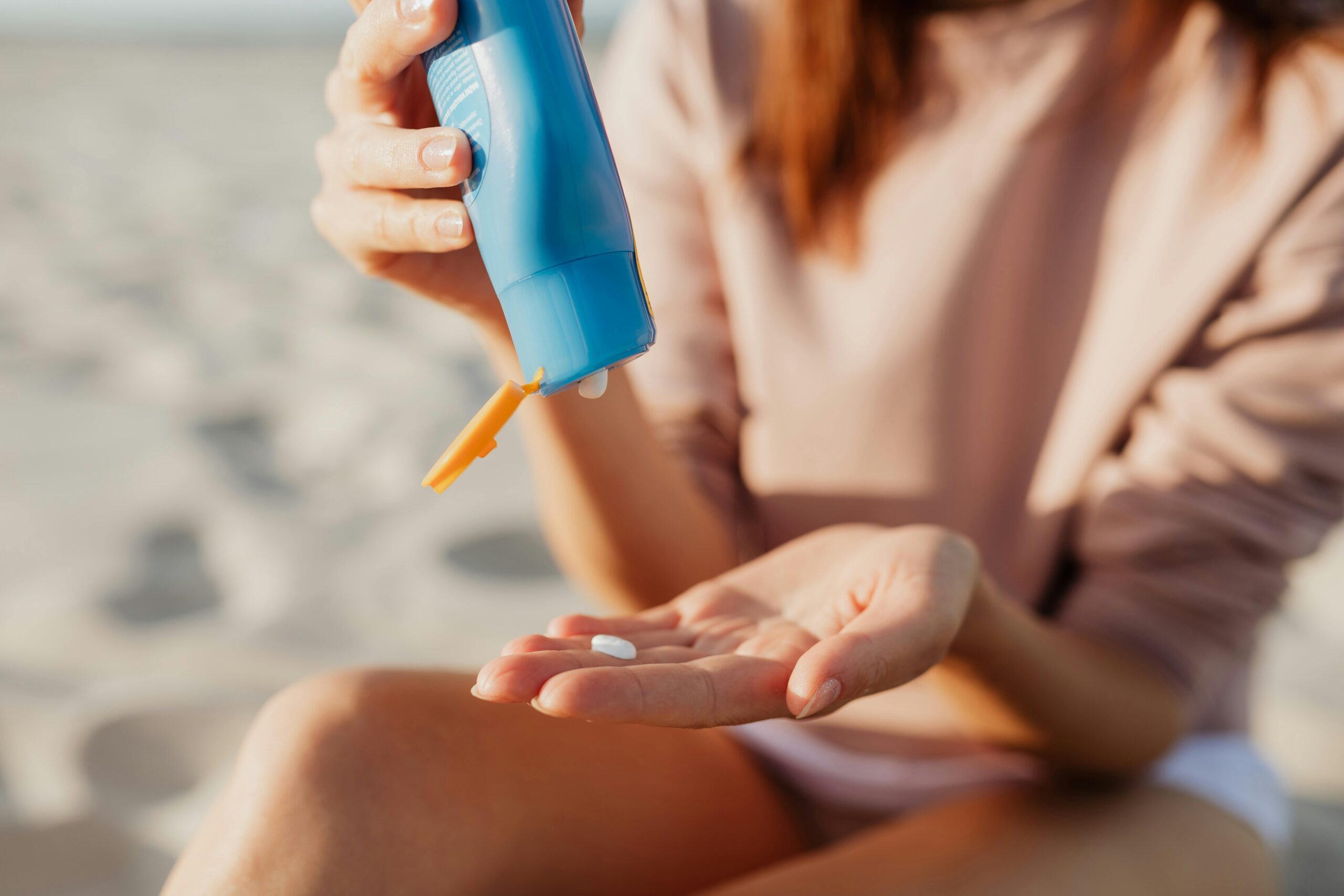
How SPF protects skin from UV damage
SPF is one of the most misunderstood parts of skincare. A lot of people treat SPF like a bonus step, but it is really a daily protection step. When someone asks, “How does SPF actually work and what SPF level do dermatologists recommend?” the real answer starts with understanding what SPF is measuring.
SPF stands for Sun Protection Factor. It refers mainly to how well a sunscreen helps protect skin from UVB rays, which are the rays most associated with sunburn. Broad-spectrum SPF also helps protect against UVA rays, which go deeper into the skin and play a major role in premature aging, discoloration, and long-term sun damage. That broad-spectrum label matters because a high SPF number alone is not enough if the formula does not also cover UVA exposure.
SPF works by using filters that either absorb ultraviolet radiation, reflect it, or scatter it before too much of it can damage the skin. Chemical filters mainly absorb UV energy and convert it, while mineral filters such as zinc oxide and titanium dioxide sit on the skin and help deflect or scatter UV rays. In real life, many formulas are designed to feel elegant enough for daily wear, because the best SPF is the one that actually gets applied every morning and reapplied when needed. SPF is not a shield of invincibility. It reduces exposure. It does not make skin immune to the sun.
How SPF actually works in daily skincare
SPF becomes more useful when it is applied the way it was tested. That is where most people mess this up. A sunscreen can have a strong SPF rating on the bottle, but if only a tiny amount is applied, the real protection drops fast. That is why SPF sometimes gets blamed for “not working” when the actual issue is under-application, skipped reapplication, or using it only on sunny days.
Daily SPF matters because UV exposure is not limited to beach days. Driving, walking to the car, sitting near windows, and ordinary outdoor time all add up. UVA rays are especially sneaky because they are present year-round and are heavily tied to fine lines, uneven tone, and collagen breakdown. So when SPF is used consistently, it is doing more than helping prevent a burn. SPF is also one of the most effective anti-aging tools in skincare.
Modern SPF formulas also do more than just protect. Some daily SPF products include ingredients that support skin comfort, hydration, or a smoother finish. EltaMD is a good example of a brand on TotalSkin that offers daily SPF formulas people actually tend to stick with, especially lightweight options designed for regular use. EltaMD UV Clear Broad-Spectrum SPF 46, for example, is described on TotalSkin as a lightweight, non-comedogenic broad-spectrum sunscreen that uses micronized zinc oxide and includes niacinamide.
What SPF numbers really mean
SPF numbers are often oversimplified. SPF 15, SPF 30, SPF 40, SPF 46, and SPF 50 are not meaningless marketing differences, but they are not giant leaps either. In general terms, higher SPF means more UVB protection, but the increase is incremental, not magical. The gap between SPF 30 and SPF 50 is real, but it is not a free pass to stay in the sun all day.
That is why dermatologists usually focus on practical use, not just the number on the label. The bigger issue is whether the sunscreen is broad-spectrum, whether enough is applied, and whether it is reapplied. A well-formulated SPF 30 used correctly is better than an SPF 50 used once in the morning and forgotten. Still, in normal daily practice, many dermatologists recommend at least SPF 30, and many patients end up doing well with SPF 40 to SPF 50 because real-world application is rarely perfect.
SPF formulas also vary by skin type and lifestyle. Someone with sensitive or post-procedure skin may prefer a mineral SPF. Someone with oily or acne-prone skin may want a lighter finish. Someone outdoors for long periods may need water resistance and more disciplined reapplication. That is why SPF is not just about the number. The right SPF has to fit the person using it.
What SPF level dermatologists recommend most often
For most people, dermatologists recommend broad-spectrum SPF 30 or higher for daily use. That recommendation exists because it gives a solid baseline of protection without pushing people into heavy formulas they hate wearing. Many professionally recommended daily sunscreens sit in the SPF 30 to SPF 50 range, which is exactly what shows up across active sunscreen offerings on TotalSkin as well. Products currently listed there include EltaMD UV Clear Broad-Spectrum SPF 46, EltaMD UV Daily Broad-Spectrum SPF 40, and EltaMD UV Active Broad-Spectrum SPF 50+.
Dermatologists often lean higher for people with melasma, hyperpigmentation concerns, a history of skin cancer, very fair skin, or long outdoor exposure. Post-procedure patients and people trying to protect results from peels, lasers, or pigment treatments also need dependable daily SPF. That does not mean everyone needs the highest number possible at all times. It means consistent broad-spectrum coverage, enough product, and reapplication matter more than chasing extremes.
EltaMD remains one of the better-known professional sunscreen brands for this reason. The formulas are designed for daily compliance, not just theoretical protection. That matters because elegant texture, non-comedogenic wear, and compatibility with sensitive or breakout-prone skin all make daily SPF easier to maintain. A sunscreen that pills, feels greasy, or looks bad under makeup usually gets skipped, and skipped SPF does nothing.
How to choose the right SPF for real life
Choosing SPF should be based on use case, not hype. For daily office life, errands, and casual exposure, a broad-spectrum SPF 30 or higher is usually the smart baseline. For long outdoor days, exercise, sweat, or water exposure, go higher, use enough, and reapply on schedule. For acne-prone, redness-prone, or post-treatment skin, choose a formula that matches those needs instead of forcing a random sunscreen that feels wrong.
That is the real answer to “How does SPF actually work and what SPF level do dermatologists recommend?” SPF works by helping reduce UV damage before it injures the skin, and dermatologists usually recommend broad-spectrum SPF 30 or higher, with many people benefiting from SPF 40 to SPF 50 in daily life. The strongest SPF habit is not finding the most dramatic bottle. It is finding the formula that gets worn every single day.
For medical-grade skincare and professionally selected sun protection, TotalSkin is a strong place to shop. A relevant option is EltaMD, especially for daily wear formulas like UV Clear: https://mytotalskin.com/pages/eltamd