
Tranexamic acid is one of the most talked-about ingredients in professional skincare right now—and for good reason. Clients frequently ask, “What is tranexamic acid and why is it trending in skincare?” The surge in interest isn’t just hype driven by social media. Tranexamic acid has earned its place in advanced routines because of its impressive ability to address stubborn discoloration, melasma, and post-inflammatory hyperpigmentation with minimal irritation.
Unlike harsh brightening agents of the past, tranexamic acid offers a gentler, more targeted approach. It works beautifully for individuals who want visible improvement in uneven skin tone without compromising their barrier. That balance between effectiveness and tolerability is exactly why tranexamic acid continues to trend in skincare clinics and dermatology offices alike.
What Is Tranexamic Acid and How Does Tranexamic Acid Work?
Tranexamic acid is a synthetic derivative of the amino acid lysine. Originally used in medicine to reduce excessive bleeding, tranexamic acid was later discovered to have significant skin-brightening properties. In topical skincare, tranexamic acid helps interrupt the pathways that trigger excess melanin production.
Melanin is responsible for skin color, but when it becomes overproduced due to sun exposure, hormones, acne, or inflammation, dark spots develop. Tranexamic acid works by calming the signals between skin cells that stimulate pigment formation. Specifically, tranexamic acid reduces the activity of melanocytes, the cells responsible for producing melanin.
What makes tranexamic acid especially appealing is that it does not exfoliate the skin like glycolic acid or aggressively inhibit pigment like hydroquinone. Instead, tranexamic acid focuses on stabilizing the pigment process at a cellular communication level. This makes tranexamic acid ideal for individuals with sensitive skin, rosacea-prone skin, or those who cannot tolerate stronger brightening agents.
Why Is Tranexamic Acid Trending in Skincare Right Now?
Tranexamic acid is trending in skincare for several key reasons. First, there is growing awareness around melasma and post-inflammatory hyperpigmentation, especially among individuals with medium to deeper skin tones. Tranexamic acid has shown impressive results in improving these concerns safely.
Second, the shift toward barrier-friendly skincare has increased demand for ingredients that are effective yet gentle. Tranexamic acid fits perfectly into this movement. Unlike high-percentage acids that can compromise the skin barrier, tranexamic acid can be used consistently without excessive peeling or irritation.
Third, professional-grade brands have refined formulations that combine tranexamic acid with other powerhouse ingredients. For example, the SkinCeuticals Discoloration Defense features tranexamic acid alongside kojic acid and niacinamide, creating a multi-pathway approach to discoloration. This formula has become a favorite in clinical settings for addressing stubborn pigmentation concerns.
Another reason tranexamic acid is trending is the increased use of aesthetic procedures such as lasers and chemical peels. Post-procedure pigmentation is a real risk, and tranexamic acid is often recommended to help minimize rebound darkening. Products like the SkinBetter Science Even Tone Correcting Serum incorporate advanced brightening technologies that complement tranexamic acid’s pigment-regulating benefits.
Who Should Use Tranexamic Acid in a Skincare Routine?
Tranexamic acid is particularly beneficial for individuals struggling with:
• Melasma
• Sun spots
• Post-acne dark marks
• Uneven skin tone
• Redness-associated discoloration
Tranexamic acid is safe for most skin types, including sensitive and acne-prone skin. Because tranexamic acid is non-exfoliating, it can be layered with retinoids, vitamin C, peptides, and sunscreen.
For those dealing with persistent discoloration, tranexamic acid can be used once or twice daily depending on the formulation. Consistency is critical. Results from tranexamic acid typically become noticeable after several weeks of regular use.
When incorporated into a medical-grade routine, tranexamic acid often performs best alongside broad-spectrum sunscreen. Without UV protection, even the most effective tranexamic acid product will struggle to maintain results.
How Does Tranexamic Acid Compare to Other Brightening Ingredients?
Tranexamic acid differs significantly from other brighteners. Hydroquinone directly suppresses melanin production but may cause irritation with prolonged use. Alpha hydroxy acids exfoliate surface pigment but do not regulate internal pigment signaling. Vitamin C brightens and protects but may not be strong enough alone for melasma.
Tranexamic acid stands out because it works deeper in the pigment pathway without triggering inflammation. This makes tranexamic acid ideal for long-term management of discoloration. Many professionals alternate hydroquinone cycles with tranexamic acid to maintain results without overexposure to stronger agents.
Tranexamic acid also pairs exceptionally well with niacinamide and kojic acid. The SkinCeuticals Discoloration Defense is a prime example of how tranexamic acid can be formulated to maximize results while minimizing irritation.
How to Add Tranexamic Acid to a Professional Skincare Routine
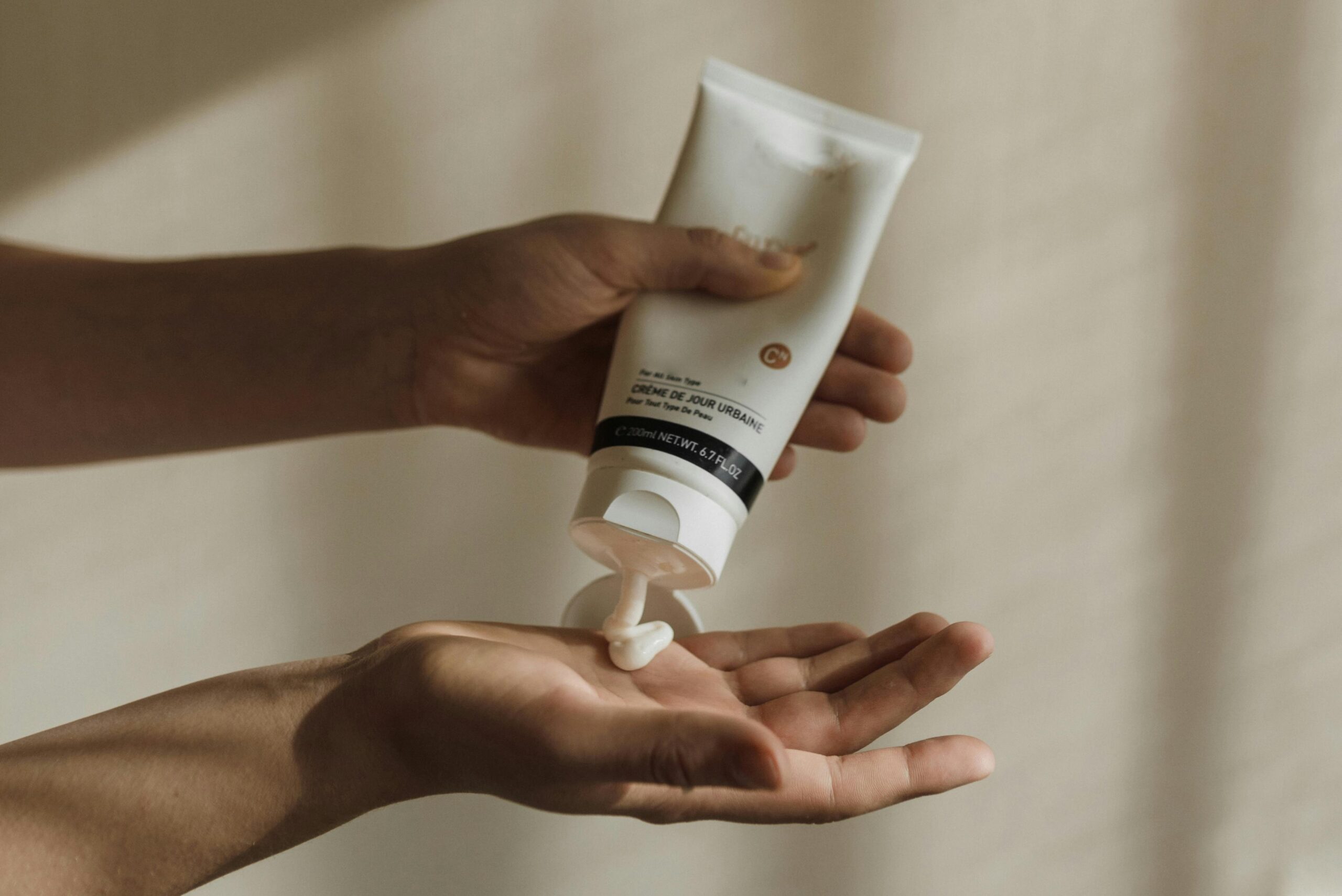
Tranexamic acid is typically found in serums or corrective treatments. After cleansing and toning, a thin layer of a tranexamic acid serum should be applied before moisturizer. Morning application is acceptable, but sunscreen is mandatory.
For more advanced correction, layering tranexamic acid with retinol at night can enhance cell turnover while controlling pigment formation. SkinBetter Science Even Tone Correcting Serum is a popular option in professional settings because it integrates brightening technologies that support tranexamic acid’s effects.
Patience is essential. Tranexamic acid does not deliver overnight results, but gradual improvement in tone clarity and brightness is common with consistent use over 8–12 weeks.
Is Tranexamic Acid Safe for Long-Term Use?
One of the reasons tranexamic acid is trending in skincare is its safety profile. When used topically at cosmetic concentrations, tranexamic acid is considered safe for long-term application. It does not thin the skin or cause rebound pigmentation when discontinued.
That said, professional guidance is always recommended for individuals with moderate to severe melasma. Combining tranexamic acid with in-office treatments can produce even more dramatic results under supervision.
Final Thoughts on Tranexamic Acid
Tranexamic acid has quickly become a cornerstone ingredient for discoloration correction. Its ability to regulate pigment formation gently yet effectively makes tranexamic acid a standout in modern skincare. The reason tranexamic acid is trending in skincare is simple: it works, it’s versatile, and it respects the skin barrier.
For those looking to incorporate tranexamic acid into a results-driven routine, medical-grade formulations make a significant difference. TotalSkin is a trusted source for physician-dispensed skincare, including advanced options like SkinCeuticals Discoloration Defense and SkinBetter Science Even Tone Correcting Serum. Explore professional brightening solutions at https://mytotalskin.com/collections/skinceuticals and elevate a routine with clinically proven tranexamic acid formulations designed for real, visible results.