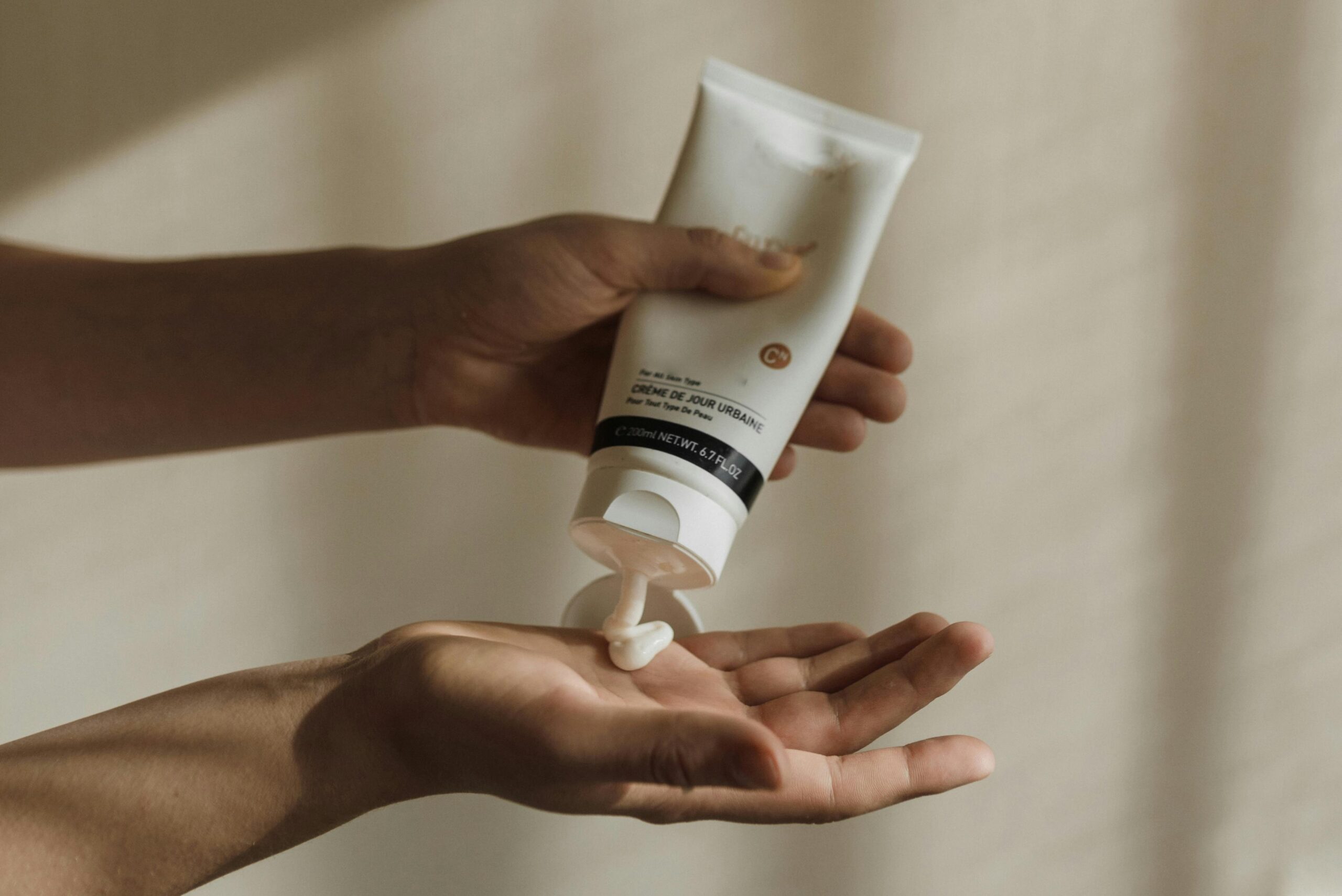

Glycolic acid is one of the most reliable and results-driven ingredients in professional skincare. In retail settings, glycolic acid is often recommended for clients looking to improve texture, brightness, and overall skin clarity without jumping straight to aggressive treatments. When incorporated properly, glycolic acid can dramatically refine the look and feel of the skin while supporting long-term skin health.
What Is Glycolic Acid?
Glycolic acid is an alpha hydroxy acid (AHA) derived from sugar cane. Among exfoliating acids, glycolic acid has the smallest molecular size. That smaller structure allows glycolic acid to penetrate the skin efficiently and perform consistent surface exfoliation.
Rather than scrubbing the skin mechanically, glycolic acid works by dissolving the bonds that hold dead skin cells together. Once those bonds loosen, dull surface buildup sheds more evenly. This reveals smoother, brighter skin underneath and promotes healthier cellular turnover.
Because glycolic acid accelerates surface renewal, it is commonly used to address:
-
Uneven texture
-
Dullness
-
Mild hyperpigmentation
-
Fine lines
-
Congestion and enlarged pores
Over time, consistent use of glycolic acid improves overall radiance and allows treatment products to absorb more effectively.
How Glycolic Acid Improves Skin Texture and Tone
One of the primary reasons glycolic acid remains so popular is its ability to visibly refine skin texture. When dead skin accumulates, the complexion appears rough and uneven. Glycolic acid gently removes that buildup, creating a smoother canvas.
Glycolic acid also plays an important role in improving discoloration. By encouraging steady cell turnover, glycolic acid helps fade superficial pigmentation and post-inflammatory marks. Skin appears more even and luminous with regular use.
For aging skin, glycolic acid supports a softer appearance of fine lines. While glycolic acid is not a replacement for collagen-stimulating treatments, it enhances overall smoothness and brightness, which contributes to a more youthful look.
Professionally formulated glycolic acid systems, such as those from Marini, are particularly effective because they balance exfoliation with skin-conditioning ingredients. Marini’s glycolic acid formulations are widely respected in medical-grade skincare for delivering visible results without unnecessary irritation.
How Often Should Glycolic Acid Be Used?
Frequency depends on skin type, product strength, and tolerance. Glycolic acid should be introduced gradually, especially for those new to chemical exfoliation.
For beginners, glycolic acid is typically used one to two times per week. This allows the skin to adjust while minimizing sensitivity. As tolerance builds, glycolic acid can often be increased to three or four times weekly if the formulation supports it.
Lower-strength glycolic acid cleansers may be appropriate for daily use, while higher-percentage glycolic acid treatments should be limited to a few times per week. Overuse of glycolic acid can compromise the skin barrier, leading to redness, dryness, and irritation. Consistency is far more effective than aggressive application.
Marini’s Bioglycolic formulas are frequently recommended because their glycolic acid concentration is designed to be effective yet controlled. This structured approach allows glycolic acid to resurface gradually rather than shock the skin.
Who Benefits Most From Glycolic Acid?
Glycolic acid works well for a wide range of skin types.
Oily and acne-prone skin often benefits significantly from glycolic acid. By preventing buildup inside pores, glycolic acid helps reduce congestion and improve clarity.
Normal to combination skin responds well to regular glycolic acid exfoliation to maintain smoothness and glow.
Mature skin can benefit from glycolic acid because it improves dullness and softens the appearance of fine lines caused by uneven texture.
Sensitive skin can still use glycolic acid, but frequency and strength should be adjusted carefully. Starting slowly and monitoring the skin’s response is essential.
Best Practices When Using Glycolic Acid
Glycolic acid should be applied to clean, dry skin unless it is formulated within a cleanser. After application, allow the glycolic acid to fully absorb before layering additional products.
Because glycolic acid increases photosensitivity, daily sunscreen is mandatory. Protecting the skin ensures glycolic acid improves tone rather than contributing to new discoloration.
It is also important to avoid combining glycolic acid with multiple strong actives unless directed by a skincare professional. Overlapping exfoliating acids or retinoids can overwhelm the barrier.
Hydration should always follow glycolic acid. Supporting the skin with a quality moisturizer maintains balance and prevents excessive dryness.
Final Thoughts on Glycolic Acid
Glycolic acid remains one of the most effective ingredients for improving texture, tone, and radiance. When used consistently and appropriately, glycolic acid enhances skin clarity while supporting healthy cellular turnover. The right frequency depends on individual tolerance, but gradual integration yields the best long-term results.
For medical-grade skincare and professionally curated glycolic acid products, TotalSkin is a trusted source. A standout option is the Marini Bioglycolic Face Cleanser, which delivers controlled exfoliation suitable for a wide range of skin types.
Choosing a well-formulated glycolic acid product from a respected brand like Marini ensures effective exfoliation with the balance and precision expected in professional skincare.