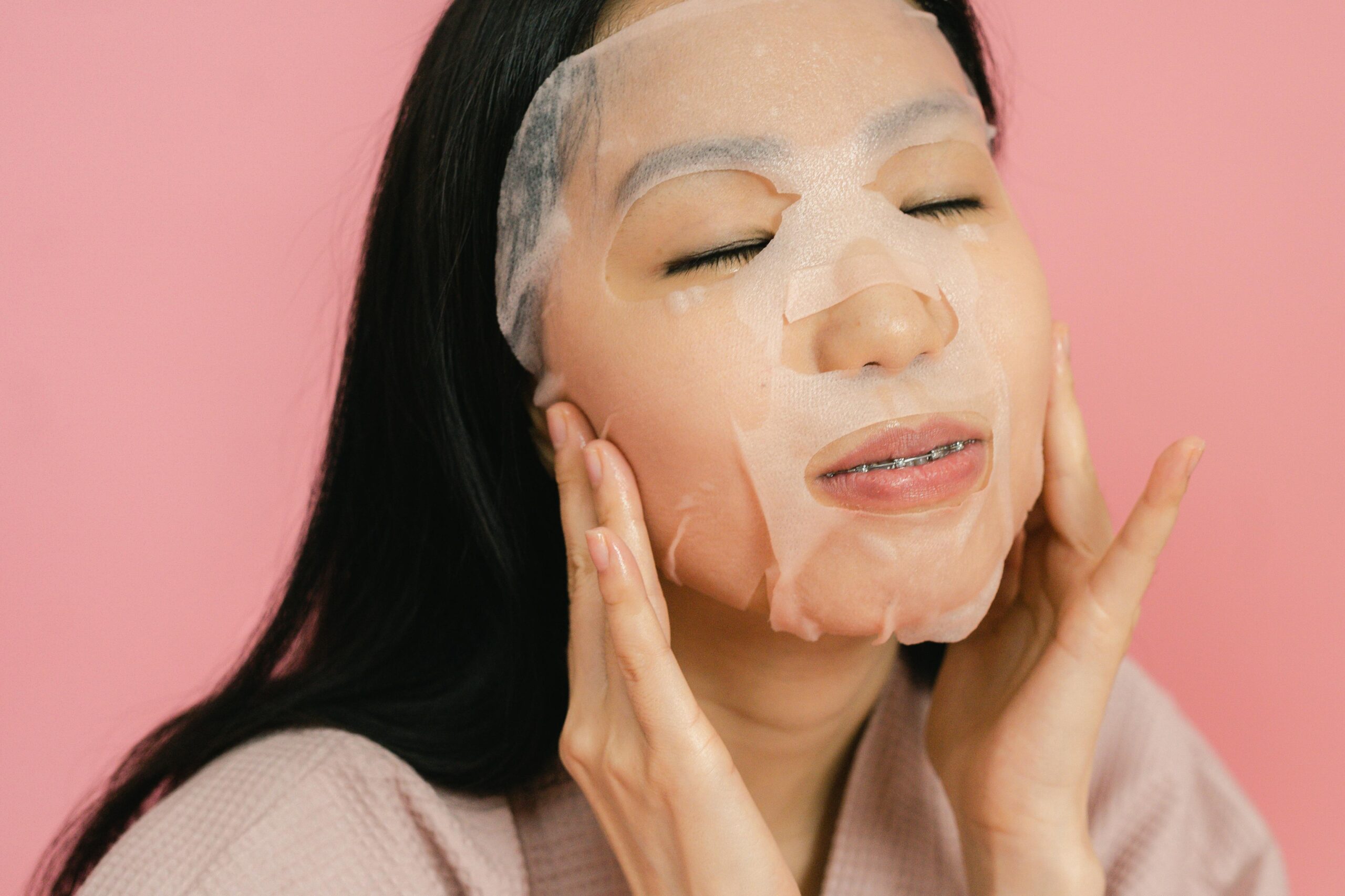
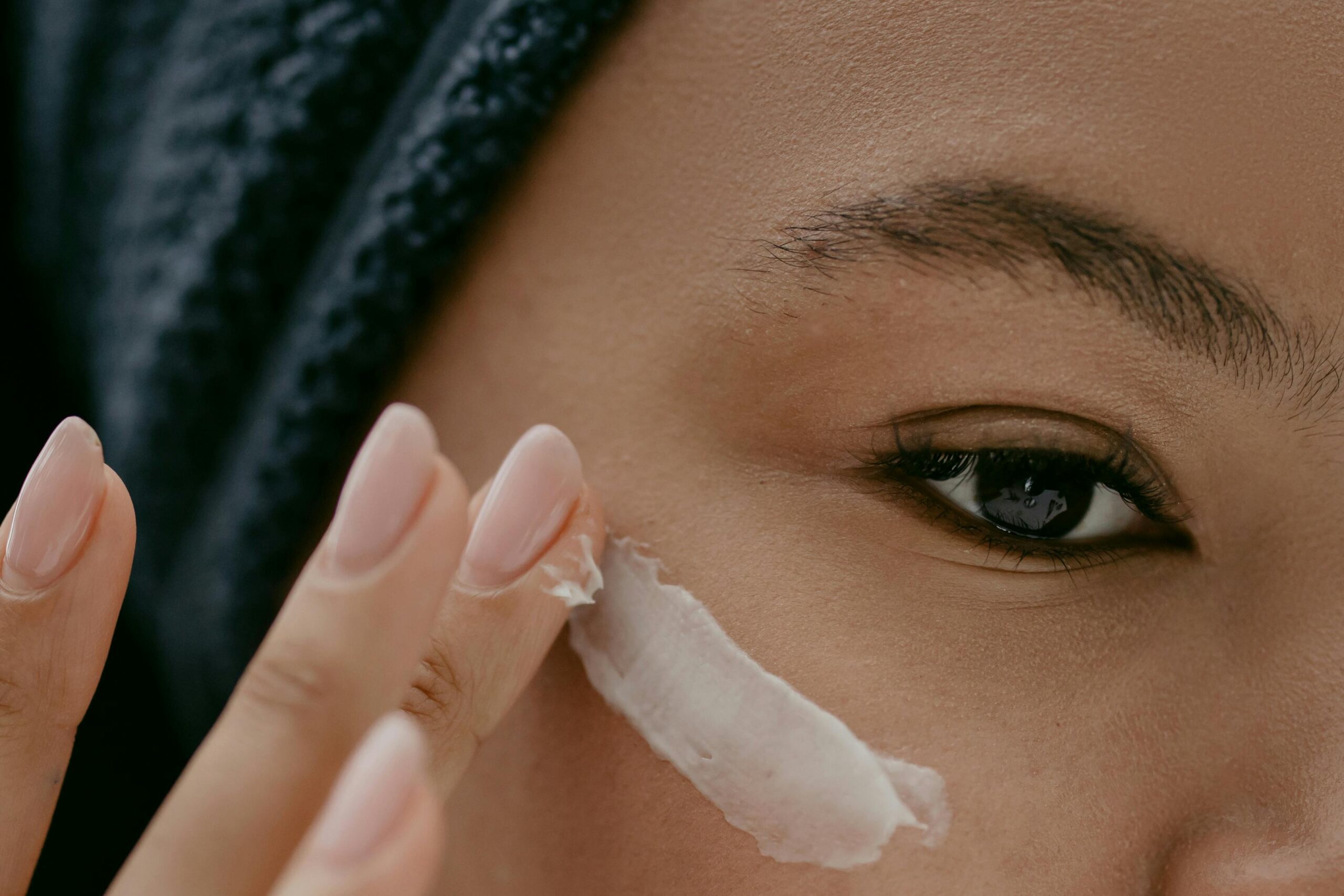
Peptides in skincare have become one of the most talked-about ingredients in professional treatment rooms and retail shelves alike. The question “What are peptides in skincare and do they actually work?” comes up almost daily, especially from clients who are serious about anti-aging but want to understand what they’re putting on their skin. The short answer: peptides in skincare can absolutely work—when formulated correctly and used consistently.
To truly understand how peptides in skincare function, it helps to break down what peptides are, how they interact with the skin, and what kind of results can realistically be expected.
What Are Peptides in Skincare and Why Are They Important?
Peptides in skincare are short chains of amino acids, which are the building blocks of proteins. Proteins like collagen, elastin, and keratin are what give skin its firmness, elasticity, and resilience. When skin is youthful, collagen production is strong and steady. As skin ages, collagen production slows down, leading to fine lines, wrinkles, and loss of firmness.
Peptides in skincare act as messengers. When applied topically, certain peptides signal the skin to produce more collagen or repair itself. Think of peptides in skincare as tiny communication tools that tell the skin to behave in a more youthful way.
There are several categories of peptides in skincare:
-
Signal peptides: Encourage collagen and elastin production.
-
Carrier peptides: Deliver trace minerals necessary for wound healing.
-
Enzyme-inhibitor peptides: Slow the breakdown of collagen.
-
Neurotransmitter-inhibiting peptides: Help soften expression lines.
Not all peptides in skincare are created equal. The type of peptide, concentration, and overall formulation all matter. That’s why medical-grade skincare lines tend to outperform mass-market products.
How Do Peptides in Skincare Actually Work?
The effectiveness of peptides in skincare depends largely on formulation and skin barrier health. When applied to the skin, peptides in skincare penetrate the upper layers and interact with skin cells. Once there, they send signals that encourage repair or increased collagen production.
However, peptides in skincare are not miracle workers overnight. They work gradually. Most individuals begin noticing improved skin texture and firmness within 4–8 weeks of consistent use. With ongoing use, peptides in skincare can help improve the appearance of fine lines, strengthen the skin barrier, and enhance overall smoothness.
An excellent example of well-formulated peptides in skincare can be found in professional brands like Revision Skincare. Products such as Revision Skincare’s D·E·J face cream utilize advanced peptide technology to target visible signs of aging. Peptides in skincare like those in Revision’s formulas are paired with antioxidants and barrier-supporting ingredients, which enhances their performance.
When clients commit to peptides in skincare alongside sunscreen and a proper cleansing routine, the cumulative effect is impressive. Skin becomes firmer, more resilient, and more even in tone.
Do Peptides in Skincare Actually Work for Wrinkles?
The most common concern around peptides in skincare is whether they truly help with wrinkles. The answer is yes—but with realistic expectations.
Peptides in skincare help stimulate collagen production, and collagen is directly tied to wrinkle formation. As collagen density improves, skin looks plumper and fine lines soften. Certain peptides in skincare, particularly neurotransmitter-inhibiting peptides, can also help reduce the appearance of expression lines by relaxing facial tension at the surface level.
That said, peptides in skincare are not the same as injectable treatments. They do not freeze muscles. Instead, they gently support smoother-looking skin over time.
Consistent daily use is essential. Peptides in skincare work best when layered properly—usually after cleansing and before heavier moisturizers. Combining peptides in skincare with ingredients like hyaluronic acid can amplify hydration, making the skin look even more youthful.
Products from Revision Skincare are a strong example of how peptides in skincare are formulated to target multiple aging pathways at once. Their peptide-rich formulations are designed to strengthen the dermal-epidermal junction, an area often overlooked in anti-aging routines.
Who Should Use Peptides in Skincare?
Peptides in skincare are suitable for nearly all skin types. Unlike retinoids or exfoliating acids, peptides in skincare are generally gentle and well tolerated. That makes them an excellent choice for sensitive skin or for those who cannot tolerate aggressive anti-aging ingredients.
Peptides in skincare are especially beneficial for:
-
Early signs of aging (fine lines and mild laxity)
-
Post-procedure recovery support
-
Barrier-compromised skin
-
Preventative anti-aging routines starting in the late 20s or early 30s
Because peptides in skincare help reinforce the skin barrier, they can also complement treatments involving retinoids or exfoliation. They provide a restorative element that balances more active ingredients.
Are There Limitations to Peptides in Skincare?
While peptides in skincare are powerful, expectations should be realistic. Peptides in skincare cannot replace procedures like microneedling, lasers, or injectables for deeper wrinkles or significant skin laxity. However, they are an essential component of a long-term maintenance plan.
The biggest limitation seen with peptides in skincare comes from poor formulation or low concentration. Over-the-counter products may advertise peptides in skincare prominently but include them in minimal amounts. That’s why medical-grade lines matter.
Revision Skincare has built a reputation on high-performance peptide technology. For instance, the brand’s peptide-based moisturizers are formulated to remain stable and bioavailable, ensuring that peptides in skincare actually reach the target layers of the skin.
How to Choose the Best Peptides in Skincare
When selecting peptides in skincare, look for:
-
Transparency about peptide complexes
-
Clinical backing or studies
-
Supporting ingredients like antioxidants and ceramides
-
Airless or protective packaging
Avoid chasing trends. Peptides in skincare are most effective when incorporated into a well-rounded routine that includes sunscreen, gentle cleansing, and consistent use.
A highly regarded option is Revision Skincare’s peptide-focused moisturizers, which combine peptides in skincare with barrier-supporting technologies for long-term visible improvement.
For those ready to invest in professional-grade formulations, TotalSkin is an excellent source for medical-grade skincare. High-quality peptide products like Revision Skincare’s advanced anti-aging formulas are available through trusted retailers such as TotalSkin. Explore options like Revision Skincare’s peptide technology here.
Peptides in skincare are not hype—they are science-backed ingredients that support collagen production, improve firmness, and enhance overall skin resilience. When chosen wisely and used consistently, peptides in skincare truly do work.